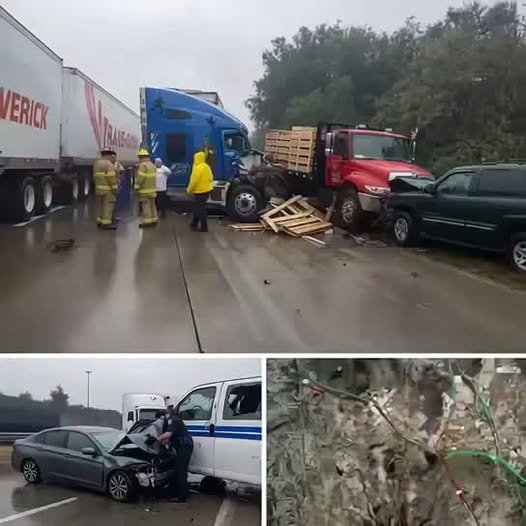
They thought it was just another bus ride home. In seconds, it became a scene of unthinkable horror. A packed double‑decker flipped onto its side, metal screaming, glass exploding, lives torn apart on a quiet Hong Kong road. Nineteen people gone. Dozens more fighting for breath, for memory, for any cha…On an ordinary day in Tai Po, routine shattered without warning. A double‑decker bus, carrying commuters who trusted it to get them home, lost control on a downhill stretch and overturned with brutal force.Most of those who never made it out alive had been sitting on the upper deck, where the impact and chaos were most devastating. Within minutes, sirens pierced the stunned silence as emergency crews fought to pull survivors from twisted metal and shattered glass, rushing the injured to nearby hospitals.In the aftermath, grief and anger now hang over the community. Authorities arrested the 30‑year‑old driver on suspicion of dangerous driving causing death and injuries, amid reports he was speeding and visibly agitated before the crash. As investigators reconstruct every second of the tragedy, families wait for answers that can never bring back what was lost, only explain how a simple journey turned irreversibly dark.
Blog
-
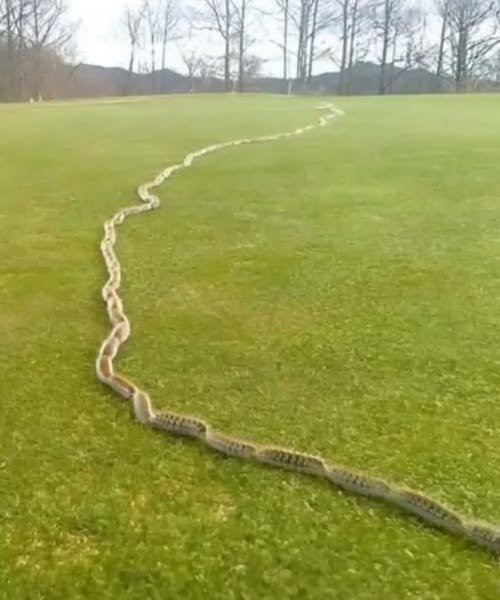
I saw something strange in the grass and thought it was just a rope – but when I looked closer, I screamed in horror!
While walking in my yard, I noticed something that looked like a long, coiled rope on the grass. A wave of fear swept over me as I wondered if it might actually be a snake. My heart pounded as I slowly approached, holding my phone tightly to snap a photo. Each step felt heavy with anxiety, expecting the worst.To my surprise, what I had mistaken for a rope or a snake turned out to be a line of about 150 caterpillars crawling in a straight line. I was fascinated—I had never seen caterpillars behave like that before. They were tightly packed, moving as if following an invisible guide. I couldn’t help but wonder about their purpose or destination.Curious, I later learned that some scientists believe this behavior helps caterpillars protect themselves from predators, conserve energy, or forage more efficiently. Whatever the reason, witnessing this in my own backyard was both surprising and oddly mesmerizing.In contrast to that moment of wonder, another experience with my friend turned a pleasant evening into a nightmare. We were dining at a popular restaurant when she noticed tiny black specks on her salad. We assumed they were chia seeds, until they started to move. Alarmed, we called the waiter and rushed to the hospital.At the hospital, we were treated and given medication as a precaution. Though the restaurant blamed spoiled ingredients, the incident left us shaken. Ever since, seeing chia seeds reminds me of that terrifying dinner—and what might have been crawling on our food.
-
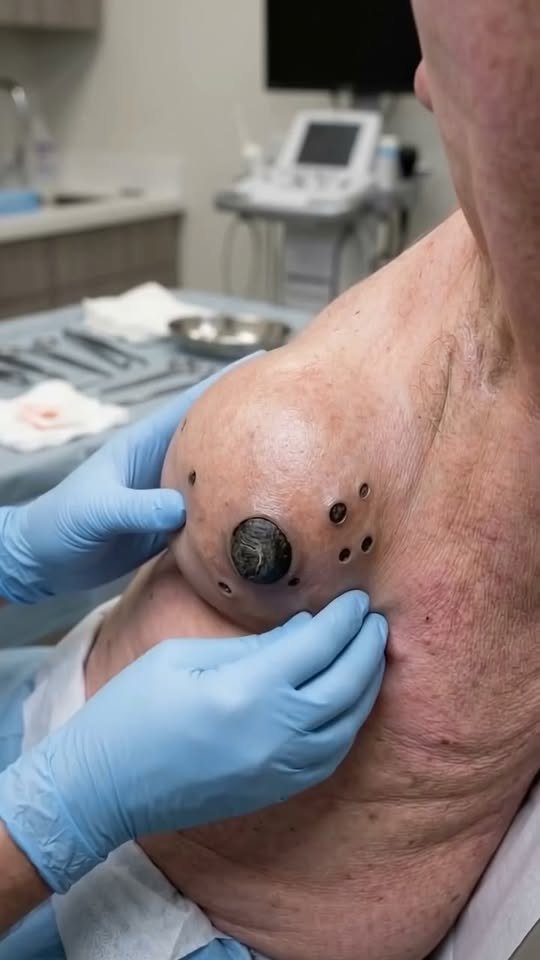
What Causes Acne
When hair follicles become clogged, acne develops.
The world felt a little dimmer when the news broke that Ana, a vibrant and ambitious young woman of twenty, had passed away under circumstances that have left an entire community reeling in disbelief. What started as a seemingly routine experience turned into a catastrophic medical emergency that cut a life of immense promise tragically short. As her family and friends struggle to process the void she has left behind, the broader public is waking up to a chilling reality: the biological processes we often treat as mundane can, in rare and devastating instances, harbor life-threatening complications. Ana’s story is not just a tale of personal loss; it is a profound, echoing alarm bell regarding the urgent need for greater medical awareness and the absolute necessity of taking women’s health seriously at every stage.The timeline of Ana’s final days remains under investigation, yet the initial reports paint a harrowing picture of how quickly a health situation can shift from discomfort to tragedy. According to those close to the events, Ana began experiencing severe and unusual complications tied to her menstrual cycle. In the beginning, these symptoms were perhaps dismissed as the typical challenges many women face, but they soon escalated with terrifying, unstoppable momentum. Despite the speed of her decline, the tragedy has catalyzed a vital, long-overdue conversation. Medical experts are now emphasizing, with renewed urgency, that symptoms related to menstruation should never be brushed aside as minor or trivial. While the vast majority of experiences are indeed routine, the medical community stresses that extreme pain, sudden shifts in physical health, or symptoms that feel inherently wrong are often the body’s desperate, silent signals of underlying conditions that require immediate, professional, and thorough intervention.Ana was known to everyone in her circle as a force of nature. She was not merely a young woman with a future; she was a person who actively invested in that future, possessing a kindness that was widely felt and a passion for life that inspired her peers. Those who worked alongside her and grew up with her remember a person who was deeply committed to her ambitions, always striving to improve herself and help others. The loss of such a promising individual has sent a wave of shock through the community, turning the collective grief into a powerful force for change. On social media and in local gatherings, tributes have been pouring in, with countless people sharing memories of her infectious laugh and her unwavering spirit. Yet, beneath the mourning, there is a rising tide of anger and resolve—a demand that the health of young women be prioritized with the seriousness that it deserves.
-

Trump FINALLY SNAPS after Mamdani’s
WASHINGTON — A cascading series of disclosures detailing persistent connections between prominent political figures and controversial associates has ignited a broader reckoning across the nation’s capital, exposing systemic vulnerabilities in institutional oversight and deepening public skepticism over how power and access are negotiated behind closed doors.What began as isolated inquiries into specific private meetings, financial contributions, and post-conviction associations has evolved into a widespread examination of elite political networks. The unfolding controversy transcends traditional partisan divides, raising fundamental questions about institutional integrity, the influence of wealthy donors, and the willingness of party leaders to police their own ranks.
-

THE DEVASTATING TRUTH ABOUT WHY YOUR CHILDREN ARE SECRETLY RUNNING AWAY FROM HOME
Behind the polished veneer of suburban perfection lies a silent, suffocating epidemic that is shattering the hearts of a generation. You think you are giving your children everything—the best schools, the finest clothes, and a roadmap to success—but you are actually building a gilded cage. Every time you push for higher grades or demand they follow your precise blueprint, you are tearing them apart from the inside out. They are suffocating under the weight of your expectations, trading their authentic souls for your approval. You are losing them one day at a time, and the reason why will haunt you forever.
-

You Won’t Believe What You’re Seeing
Approaching women can be a nerve-wracking experience for many men.However, with the right mindset and approach,it can become an enjoyable and successful endeavor.
Here are some techniques to help you confidently approach women:Approaching women can be a nerve-wracking experience for many men.However, with the right mindset and approach,it can become an enjoyable and successful endeavor.
Here are some techniques to help you confidently approach women…
Approaching women can be a nerve-wracking experience for many men.However, with the right mindset and approach,it can become an enjoyable and successful endeavor. WATCH PICTURE BELOW

-

5 min ago Bridge Destroyed… See Moree
The video captures a catastrophic accident involving a large cargo vessel and a concrete river bridge under an overcast sky. A massive cargo ship has collided with one of the main support pillars of the bridge, initiating a sudden structural failure. At the moment of impact, a huge cloud of brownish-orange dust bursts into the air around the damaged pier.
-
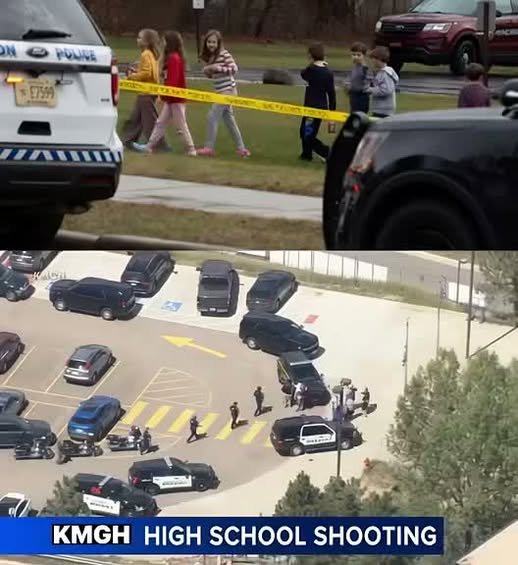
BREAKING – At least 4 dea
The screams began where the singing should have been.In seconds, a child’s birthday in Stockton turned from frosting and balloons to bodies on the lawn and parents using their own flesh as shields.Four people dead. Ten wounded.A neighborhood’s illusion of safety blown apart.As investigators sift through shell casings and shattered plastic toys, the question everyone is terrified to ask is the one that matters most:if even a backyard birthday isn’t safe, what place in America truly is?In the days after the Stockton shooting, the birthday yard became a shrine to all that was lost.Balloons deflated beside wilting flowers, their fading colors a quiet echo of the lives cut short.Families arrived in silence, touching the police tape as if it were a gravestone, whispering apologies to the children who saw too much, too soon.
-
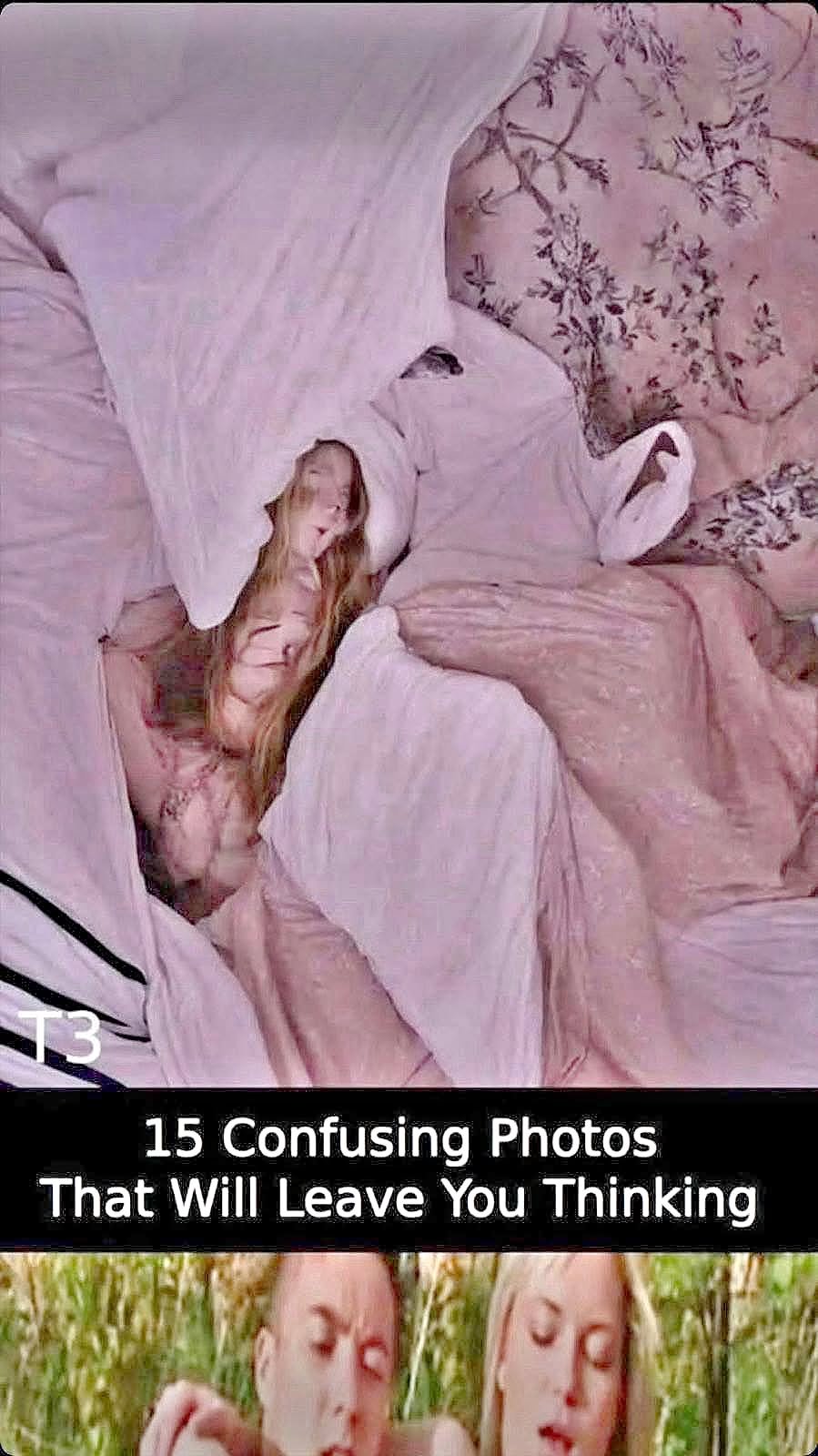
Insane Photos That Will Totally Mess With Your Mind — You Won’t Believe What You’re Seeing
The internet moves fast. Faster than ever. Every second, millions of photos are uploaded across social media platforms, competing for attention in endless scrolling feeds. Most images are forgotten almost instantly. People glance, react, and move on without a second thought. But every now and then, a picture appears that completely stops the scroll.
Not because it is loud.
Not because it is shocking.
But because something about it feels… off.
At first glance, the image seems ordinary. Maybe it shows a family dinner, a dog sitting on a couch, a person taking a selfie, or a random street scene. Nothing unusual. Nothing dramatic. Yet after a few seconds, the brain begins to notice details that were invisible at first. Suddenly, the viewer realizes they are not looking at a normal photo at all.
These are the images people “have to look at twice.”
And the internet cannot get enough of them.
The fascination with confusing or misleading images has exploded online over the past decade. Entire pages, forums, and viral accounts are dedicated to optical illusions, accidental perspective tricks, hidden details, and perfectly timed photographs. Some of these pictures generate millions of shares because they trigger one powerful human instinct: curiosity.
People love solving visual mysteries.
One of the reasons these images become so addictive is because the human brain is designed to recognize patterns instantly. The brain constantly makes quick assumptions about shapes, movement, depth, shadows, and perspective. Usually, this process works perfectly. It helps people navigate the world efficiently without needing to analyze every tiny detail around them.
But certain photographs break that system.
A shadow appears where it should not.
A reflection changes the meaning of the scene.
Two objects align perfectly for a split second.
A camera angle creates an impossible illusion.
The result is a momentary confusion that forces the brain to slow down and reevaluate what it is seeing.
That tiny moment of confusion is surprisingly satisfying.
It creates the same kind of mental reward people experience when solving riddles or puzzles. The brain notices an inconsistency, searches for an explanation, then experiences relief and amusement once the image finally makes sense.
Some of the most viral “look twice” photos happen completely by accident.
A famous example involved a dog running through a field while another dog stood behind it. Because of the camera angle, the two dogs blended together into what looked like one mutant animal with impossibly long legs. Another viral image showed a man sitting on a couch whose bare shoulder perfectly matched the skin tone of the woman beside him, creating the illusion that his body was twisted backward.
People stared at these photos for minutes trying to figure out what they were actually seeing.
The comments sections became part of the entertainment.
“I still don’t get it.”
“My brain hurts.”
“I finally saw it after five minutes.”
“How is this even real?”
The shared confusion turns these images into social experiences. Everyone wants to be the first person to solve the visual puzzle, while others enjoy watching people struggle to understand it.
Social media algorithms also love this type of content.
Platforms prioritize posts that keep users engaged for longer periods of time. A confusing image naturally increases watch time because people stare at it repeatedly. They zoom in, scroll back up, read comments, and share it with friends asking, “Do you see it too?”
That interaction signals the algorithm to push the post even further.
In many ways, optical illusion content was built perfectly for the modern internet.
Some images become famous because they accidentally resemble something completely different from reality. Clouds may look like faces. Mountains can resemble sleeping giants. Food sometimes appears disturbingly similar to everyday objects. Perspective can turn tiny pets into gigantic creatures or make ordinary humans appear miniature.
Photographers have learned to intentionally create these illusions as well.
Forced perspective photography has become especially popular online. Tourists pretend to hold up landmarks, pinch the sun between their fingers, or “lean” against massive structures from impossible angles. While these images are clearly playful, the technique demonstrates how easily human perception can be manipulated using simple positioning and timing.
Professional artists have taken the concept even further.
Some creators spend weeks designing scenes that only make sense from one exact angle. Sidewalk chalk artists produce 3D drawings that appear to open giant holes in the ground. Others use mirrors, shadows, or carefully placed objects to hide secret messages inside seemingly ordinary photographs.
The goal is not just to confuse viewers.
It is to reward attention.
In a digital culture built around speed, images that require patience feel strangely powerful. They demand something rare from modern audiences: focus.
This may explain why people become emotionally attached to these photos. Finding the hidden detail creates a sense of achievement. The viewer feels like they discovered something others might miss.
There is also a psychological element connected to trust.
Humans naturally believe photographs represent reality. Even though society understands images can be edited, the brain still tends to accept photos as truthful at first glance. When a confusing image reveals that reality is different than initially assumed, it creates a small but memorable shock.
That surprise activates emotion.
And emotion drives virality.
Some of the most successful internet posts in recent years followed this exact formula. A photo appears normal, then reveals an unexpected twist only after closer inspection. The reveal may be funny, unsettling, wholesome, or even creepy.
Sometimes the hidden detail changes the entire meaning of the image.
A harmless family photo suddenly reveals a cat staring through a window in the background. A vacation selfie accidentally captures a stranger doing something bizarre behind the subjects. A wedding picture includes a reflection no one noticed until days later.
These moments feel authentic because they are usually unplanned.
People are drawn to accidental perfection.
Not every “look twice” image is innocent, however. The rise of advanced editing software and artificial intelligence has blurred the line between real photography and digital manipulation. Some viral images are deliberately designed to deceive viewers for clicks and engagement.
This creates a new challenge online: learning what to trust.
AI-generated images have become increasingly sophisticated, producing scenes that appear realistic at first glance but contain subtle distortions upon closer inspection. Hands may have extra fingers. Reflections may not match. Background objects can melt together unnaturally.
Ironically, the same details that expose fake AI images are often the reason they go viral.
People enjoy hunting for the flaws.
Entire communities now analyze suspicious pictures frame by frame, searching for tiny inconsistencies that reveal whether an image is authentic or artificially created. In this way, “look twice” culture has evolved into a kind of digital detective work.
The phenomenon also reflects how differently people perceive visual information.
Not everyone notices the same details immediately. Some viewers instantly recognize perspective tricks, while others struggle to see them even after explanations. Studies in psychology suggest that prior experience, attention patterns, and even personality traits can influence how quickly people interpret ambiguous images.
This explains why comment sections become so chaotic under illusion posts.
One person sees the answer immediately.
Another cannot understand it at all.
Both are looking at the exact same image.
That tension makes the experience strangely entertaining.
Classic optical illusions existed long before social media. Artists and scientists have experimented with visual confusion for centuries. Famous illusions involving impossible staircases, hidden faces, and reversible images fascinated audiences decades before smartphones existed.
The internet simply amplified the obsession.
Today, a single confusing image can reach millions of people worldwide within hours. What once might have been a niche visual trick shared in psychology textbooks has become instant global entertainment.
Memes also play a huge role in keeping the trend alive.
Users constantly remix illusion images with captions, jokes, and exaggerated reactions. The humor often comes from how absurdly long people spend staring at something simple before finally understanding it.
Some users even intentionally create fake confusion for comedic effect.
“I’ve been looking at this for twenty minutes.”
“Why can’t my brain process this?”
“Someone explain this before I lose my mind.”
The dramatic reactions become part of the viral cycle.
Interestingly, these images reveal something deeper about modern attention spans. People often complain that social media has shortened human focus, training users to consume information rapidly without reflection. Yet “look twice” images prove audiences are still willing to slow down—if curiosity is strong enough.
A confusing image interrupts passive scrolling.
It transforms viewers from consumers into participants.
Instead of simply observing content, they actively investigate it.
That interaction creates a more memorable experience than ordinary posts.
Brands and advertisers have noticed this too. Marketing campaigns increasingly use visual ambiguity to attract engagement. Some advertisements hide subtle details or create perspective illusions specifically designed to encourage sharing and discussion online.
The strategy works because mystery generates conversation.
And conversation generates visibility.
Even filmmakers and photographers use the principle in storytelling. Directors often place hidden details inside scenes that audiences only notice during rewatches. Fans freeze frames, analyze backgrounds, and search for clues they missed initially.
The thrill comes from discovery.
Humans enjoy the feeling that there is more beneath the surface.
Perhaps that is why “images you gotta look at twice” resonate so strongly online. They mirror a larger truth about perception itself: reality is not always what it first appears to be.
Sometimes the brain fills in gaps incorrectly.
Sometimes perspective changes everything.
Sometimes tiny details completely transform meaning.
And sometimes the most fascinating things are hidden in plain sight.
In a world overflowing with content, the images people remember are rarely the loudest ones. They are the photos that create pause. The ones that force viewers to stop, zoom in, rethink, and suddenly laugh once the illusion finally clicks into place.
For just a moment, those images break the rhythm of endless scrolling.
They make people pay attention again.
And on today’s internet, that might be the rarest illusion of all.

-

Emotional Fox News Host Stops Live Show…
WASHINGTON — President Donald Trump signaled that the United States and Iran could finalize an agreement within the next week to extend an interim ceasefire and reopen the Strait of Hormuz,projecting confidence about the diplomatic track despite fresh regional friction and conflicting signals from Tehran.WASHINGTON — President Donald Trump signaled that the United States and Iran could finalize an agreement within the next week to extend an interim ceasefire and reopen the Strait of Hormuz,projecting confidence about the diplomatic track despite fresh regional friction and conflicting signals from Tehran.