
The Courtroom Fell Silent: Teen Boy Sentenced to 121 Years in PrisonThe courtroom grew silent as a teenage boy faced a sentence that could shape the rest of his life. In a moment that would draw widespread attention, the judge delivered a decision carrying consequences measured not in months or years alone, but potentially in decades. The case soon sparked intense discussion about justice, accountability, and the future of young people convicted of serious crimes.Beyond the courtroom, the story raised questions that extend far beyond a single verdict. How should the justice system respond when a young person is convicted of a serious offense? And what does a sentence of 121 years mean for the individual, the victims, and the families whose lives have been changed by the case?For victims and their loved ones, a lengthy prison sentence can represent an important step toward justice. It may provide reassurance that the seriousness of the offense has been recognized and that public safety remains a priority. The emotional consequences of a serious crime can last for years, making accountability an essential part of the broader conversation.However, the teenager’s age introduces another layer of complexity. Adolescence is a period of significant development, and questions about maturity, decision-making, and the possibility of rehabilitation often arise when young people face exceptionally long prison terms.Supporters of strict sentencing argue that serious offenses must carry meaningful consequences, regardless of the offender’s age. Others believe the justice system should also consider whether rehabilitation and personal development can play a role in determining a young person’s future.These competing perspectives make cases involving lengthy sentences particularly difficult to discuss. They highlight the challenge of balancing accountability, public safety, victims’ rights, and the possibility of change.As the story continues to attract attention, it is important to distinguish confirmed details from online speculation. The circumstances of each case, the applicable laws, and the court’s reasoning all matter when evaluating whether a sentence is appropriate.Ultimately, this case serves as a reminder that decisions made in a courtroom can have consequences lasting a lifetime. It also underscores the importance of a fair legal process, responsible reporting, and thoughtful discussion about how justice should work when a young person faces an extraordinary sentence.
Blog
-
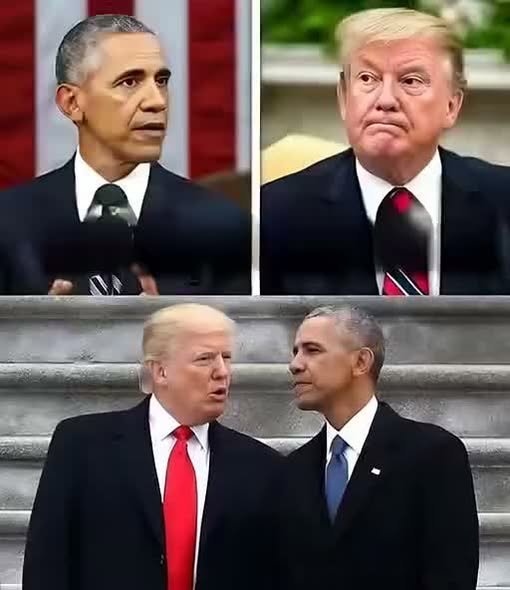
TRUMP AND OBAMA LIVE TELEVISION SHOWDOWN EXPLODES AND CHANGES EVERYTHING
You have never witnessed a moment like this because it is the most dangerous confrontation ever broadcast to the American public. What started as a standard television interview turned into a violent verbal war that left the entire world shaking in total disbelief. Donald Trump and Barack Obama went head to head in a brutal clash that obliterated all rules of political decorum and exposed deep secrets that were never meant to be seen by human eyes. The footage is so explosive that networks are terrified to replay it. Stop everything you are doing because history has officially been rewritten tonight.The landscape of American political discourse shifted on its axis during a live broadcast that was originally intended to be a standard, perhaps even mundane, retrospective on the state of the union. What the public expected was a routine exchange of talking points and polished soundbites; what they received was a seismic confrontation that will likely be studied by historians and media analysts for decades to come. As the cameras rolled and millions tuned in from their living rooms, mobile devices, and office screens, the air grew thick with a palpable tension that transcended the digital medium. Donald Trump, known for his unfiltered and combative rhetorical style, took a sharp and calculated turn away from the interviewer prompt to launch a direct and scathing critique of Barack Obama. This was not merely a disagreement over tax brackets or foreign policy nuances; it was a fundamental clash of ideologies and legacies delivered with the raw intensity of a championship heavyweight bout.
-

680 lbs Woman Had to Lose 300 Pounds or Suffer Pain for Rest of Her Life—and She Did It in 30 Months
After her incredible weight-loss journey, a south Texas mother has gone viral. She says her main motivation was finding out she needed brain decompression surgery—a procedure that was out of the question when she weighed nearly 600 lbs (227 kg).
-

BREAKING NEWS 4 countries join forces to atta see more
Dangerous escalation in the Persian Gulf – Reports of attacks on US bases Iranian television, citing the military, has announced the launch of an attack on US bases in the Gulf region. According to reports, Iran has hit military bases in the Persian Gulf, while local authorities in several countries have called on citizens to stay home and avoid any military areas. According to Reuters, a powerful explosion has been reported in Abu Dhabi, while the United Arab Emirates has closed its airspace. It is reported that the Al Dhafra air base in the United Arab Emirates has been targeted…
-

This Woman Was Caught in an Unexpected Situation — and People Are Talking….
Viral Public Incident Sparks Debate Over Privacy and Social Media Exposure What began as a brief police response in a crowded public area quickly turned into a nationwide online discussion after photos and videos from the scene spread rapidly across social media platforms. Within hours, the local incident transformed into viral content, drawing attention not…
-

Weird and confusing images you can find online
The internet moves fast. Faster than ever. Every second, millions of photos are uploaded across social media platforms, competing for attention in endless scrolling feeds. Most images are forgotten almost instantly. People glance, react, and move on without a second thought. But every now and then, a picture appears that completely stops the scroll.
Not because it is loud.
Not because it is shocking.
But because something about it feels… off.
At first glance, the image seems ordinary. Maybe it shows a family dinner, a dog sitting on a couch, a person taking a selfie, or a random street scene. Nothing unusual. Nothing dramatic. Yet after a few seconds, the brain begins to notice details that were invisible at first. Suddenly, the viewer realizes they are not looking at a normal photo at all.
These are the images people “have to look at twice.”
And the internet cannot get enough of them.
The fascination with confusing or misleading images has exploded online over the past decade. Entire pages, forums, and viral accounts are dedicated to optical illusions, accidental perspective tricks, hidden details, and perfectly timed photographs. Some of these pictures generate millions of shares because they trigger one powerful human instinct: curiosity.
People love solving visual mysteries.
One of the reasons these images become so addictive is because the human brain is designed to recognize patterns instantly. The brain constantly makes quick assumptions about shapes, movement, depth, shadows, and perspective. Usually, this process works perfectly. It helps people navigate the world efficiently without needing to analyze every tiny detail around them.
But certain photographs break that system.
A shadow appears where it should not.
A reflection changes the meaning of the scene.
Two objects align perfectly for a split second.
A camera angle creates an impossible illusion.
The result is a momentary confusion that forces the brain to slow down and reevaluate what it is seeing.
That tiny moment of confusion is surprisingly satisfying.
It creates the same kind of mental reward people experience when solving riddles or puzzles. The brain notices an inconsistency, searches for an explanation, then experiences relief and amusement once the image finally makes sense.
Some of the most viral “look twice” photos happen completely by accident.
A famous example involved a dog running through a field while another dog stood behind it. Because of the camera angle, the two dogs blended together into what looked like one mutant animal with impossibly long legs. Another viral image showed a man sitting on a couch whose bare shoulder perfectly matched the skin tone of the woman beside him, creating the illusion that his body was twisted backward.
People stared at these photos for minutes trying to figure out what they were actually seeing.
The comments sections became part of the entertainment.
“I still don’t get it.”
“My brain hurts.”
“I finally saw it after five minutes.”
“How is this even real?”
The shared confusion turns these images into social experiences. Everyone wants to be the first person to solve the visual puzzle, while others enjoy watching people struggle to understand it.
Social media algorithms also love this type of content.
Platforms prioritize posts that keep users engaged for longer periods of time. A confusing image naturally increases watch time because people stare at it repeatedly. They zoom in, scroll back up, read comments, and share it with friends asking, “Do you see it too?”
That interaction signals the algorithm to push the post even further.
In many ways, optical illusion content was built perfectly for the modern internet.
Some images become famous because they accidentally resemble something completely different from reality. Clouds may look like faces. Mountains can resemble sleeping giants. Food sometimes appears disturbingly similar to everyday objects. Perspective can turn tiny pets into gigantic creatures or make ordinary humans appear miniature.
Photographers have learned to intentionally create these illusions as well.
Forced perspective photography has become especially popular online. Tourists pretend to hold up landmarks, pinch the sun between their fingers, or “lean” against massive structures from impossible angles. While these images are clearly playful, the technique demonstrates how easily human perception can be manipulated using simple positioning and timing.
Professional artists have taken the concept even further.
Some creators spend weeks designing scenes that only make sense from one exact angle. Sidewalk chalk artists produce 3D drawings that appear to open giant holes in the ground. Others use mirrors, shadows, or carefully placed objects to hide secret messages inside seemingly ordinary photographs.
The goal is not just to confuse viewers.
It is to reward attention.
In a digital culture built around speed, images that require patience feel strangely powerful. They demand something rare from modern audiences: focus.
This may explain why people become emotionally attached to these photos. Finding the hidden detail creates a sense of achievement. The viewer feels like they discovered something others might miss.
There is also a psychological element connected to trust.
Humans naturally believe photographs represent reality. Even though society understands images can be edited, the brain still tends to accept photos as truthful at first glance. When a confusing image reveals that reality is different than initially assumed, it creates a small but memorable shock.
That surprise activates emotion.
And emotion drives virality.
Some of the most successful internet posts in recent years followed this exact formula. A photo appears normal, then reveals an unexpected twist only after closer inspection. The reveal may be funny, unsettling, wholesome, or even creepy.
Sometimes the hidden detail changes the entire meaning of the image.
A harmless family photo suddenly reveals a cat staring through a window in the background. A vacation selfie accidentally captures a stranger doing something bizarre behind the subjects. A wedding picture includes a reflection no one noticed until days later.
These moments feel authentic because they are usually unplanned.
People are drawn to accidental perfection.
Not every “look twice” image is innocent, however. The rise of advanced editing software and artificial intelligence has blurred the line between real photography and digital manipulation. Some viral images are deliberately designed to deceive viewers for clicks and engagement.
This creates a new challenge online: learning what to trust.
AI-generated images have become increasingly sophisticated, producing scenes that appear realistic at first glance but contain subtle distortions upon closer inspection. Hands may have extra fingers. Reflections may not match. Background objects can melt together unnaturally.
Ironically, the same details that expose fake AI images are often the reason they go viral.
People enjoy hunting for the flaws.
Entire communities now analyze suspicious pictures frame by frame, searching for tiny inconsistencies that reveal whether an image is authentic or artificially created. In this way, “look twice” culture has evolved into a kind of digital detective work.
The phenomenon also reflects how differently people perceive visual information.
Not everyone notices the same details immediately. Some viewers instantly recognize perspective tricks, while others struggle to see them even after explanations. Studies in psychology suggest that prior experience, attention patterns, and even personality traits can influence how quickly people interpret ambiguous images.
This explains why comment sections become so chaotic under illusion posts.
One person sees the answer immediately.
Another cannot understand it at all.
Both are looking at the exact same image.
That tension makes the experience strangely entertaining.
Classic optical illusions existed long before social media. Artists and scientists have experimented with visual confusion for centuries. Famous illusions involving impossible staircases, hidden faces, and reversible images fascinated audiences decades before smartphones existed.
The internet simply amplified the obsession.
Today, a single confusing image can reach millions of people worldwide within hours. What once might have been a niche visual trick shared in psychology textbooks has become instant global entertainment.
Memes also play a huge role in keeping the trend alive.
Users constantly remix illusion images with captions, jokes, and exaggerated reactions. The humor often comes from how absurdly long people spend staring at something simple before finally understanding it.
Some users even intentionally create fake confusion for comedic effect.
“I’ve been looking at this for twenty minutes.”
“Why can’t my brain process this?”
“Someone explain this before I lose my mind.”
The dramatic reactions become part of the viral cycle.
Interestingly, these images reveal something deeper about modern attention spans. People often complain that social media has shortened human focus, training users to consume information rapidly without reflection. Yet “look twice” images prove audiences are still willing to slow down—if curiosity is strong enough.
A confusing image interrupts passive scrolling.
It transforms viewers from consumers into participants.
Instead of simply observing content, they actively investigate it.
That interaction creates a more memorable experience than ordinary posts.
Brands and advertisers have noticed this too. Marketing campaigns increasingly use visual ambiguity to attract engagement. Some advertisements hide subtle details or create perspective illusions specifically designed to encourage sharing and discussion online.
The strategy works because mystery generates conversation.
And conversation generates visibility.
Even filmmakers and photographers use the principle in storytelling. Directors often place hidden details inside scenes that audiences only notice during rewatches. Fans freeze frames, analyze backgrounds, and search for clues they missed initially.
The thrill comes from discovery.
Humans enjoy the feeling that there is more beneath the surface.
Perhaps that is why “images you gotta look at twice” resonate so strongly online. They mirror a larger truth about perception itself: reality is not always what it first appears to be.
Sometimes the brain fills in gaps incorrectly.
Sometimes perspective changes everything.
Sometimes tiny details completely transform meaning.
And sometimes the most fascinating things are hidden in plain sight.
In a world overflowing with content, the images people remember are rarely the loudest ones. They are the photos that create pause. The ones that force viewers to stop, zoom in, rethink, and suddenly laugh once the illusion finally clicks into place.
For just a moment, those images break the rhythm of endless scrolling.
They make people pay attention again.
And on today’s internet, that might be the rarest illusion of all.

-

She made the dog eat her pu… See more
Animal welfare advocates are calling for greater accountability after a series of disturbing allegations involving neglected and mistreated animals triggered public concern and renewed debate about animal protection laws.
-
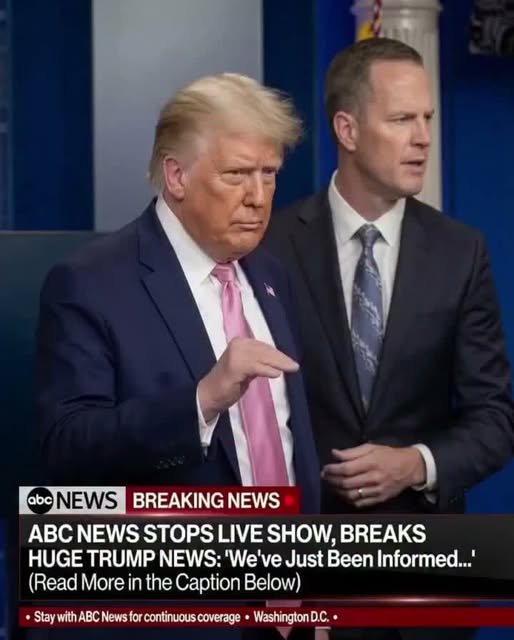
ABC Anchor Admits Truth As Trump’s DC Crackdown Yields Big Results
Washington did not see it coming. A single order and a signature altered the rhythm of the capital almost overnight.The visible presence of federal forces increased across key corridors, with sirens more common, patrols more coordinated, and unmarked vehicles blending into the flow of traffic.For some residents, there was an immediate sense that crime had eased, and that long-standing concerns about safety were finally being addressed in a direct way.Supporters of the move describe it as a decisive correction after years of uncertainty.
-

Images you gotta look at twice
Images you gotta look at twice

Images You Gotta Look At Twice
The internet moves fast. Faster than ever. Every second, millions of photos are uploaded across social media platforms, competing for attention in endless scrolling feeds. Most images are forgotten almost instantly. People glance, react, and move on without a second thought. But every now and then, a picture appears that completely stops the scroll.
Not because it is loud.
Not because it is shocking.
But because something about it feels… off.
At first glance, the image seems ordinary. Maybe it shows a family dinner, a dog sitting on a couch, a person taking a selfie, or a random street scene. Nothing unusual. Nothing dramatic. Yet after a few seconds, the brain begins to notice details that were invisible at first. Suddenly, the viewer realizes they are not looking at a normal photo at all.
These are the images people “have to look at twice.”
And the internet cannot get enough of them.
The fascination with confusing or misleading images has exploded online over the past decade. Entire pages, forums, and viral accounts are dedicated to optical illusions, accidental perspective tricks, hidden details, and perfectly timed photographs. Some of these pictures generate millions of shares because they trigger one powerful human instinct: curiosity.
People love solving visual mysteries.
One of the reasons these images become so addictive is because the human brain is designed to recognize patterns instantly. The brain constantly makes quick assumptions about shapes, movement, depth, shadows, and perspective. Usually, this process works perfectly. It helps people navigate the world efficiently without needing to analyze every tiny detail around them.
But certain photographs break that system.
A shadow appears where it should not.
A reflection changes the meaning of the scene.
Two objects align perfectly for a split second.
A camera angle creates an impossible illusion.
The result is a momentary confusion that forces the brain to slow down and reevaluate what it is seeing.
That tiny moment of confusion is surprisingly satisfying.
It creates the same kind of mental reward people experience when solving riddles or puzzles. The brain notices an inconsistency, searches for an explanation, then experiences relief and amusement once the image finally makes sense.
Some of the most viral “look twice” photos happen completely by accident.
A famous example involved a dog running through a field while another dog stood behind it. Because of the camera angle, the two dogs blended together into what looked like one mutant animal with impossibly long legs. Another viral image showed a man sitting on a couch whose bare shoulder perfectly matched the skin tone of the woman beside him, creating the illusion that his body was twisted backward.
People stared at these photos for minutes trying to figure out what they were actually seeing.
The comments sections became part of the entertainment.
“I still don’t get it.”
“My brain hurts.”
“I finally saw it after five minutes.”
“How is this even real?”
The shared confusion turns these images into social experiences. Everyone wants to be the first person to solve the visual puzzle, while others enjoy watching people struggle to understand it.
Social media algorithms also love this type of content.
Platforms prioritize posts that keep users engaged for longer periods of time. A confusing image naturally increases watch time because people stare at it repeatedly. They zoom in, scroll back up, read comments, and share it with friends asking, “Do you see it too?”
That interaction signals the algorithm to push the post even further.
In many ways, optical illusion content was built perfectly for the modern internet.
Some images become famous because they accidentally resemble something completely different from reality. Clouds may look like faces. Mountains can resemble sleeping giants. Food sometimes appears disturbingly similar to everyday objects. Perspective can turn tiny pets into gigantic creatures or make ordinary humans appear miniature.
Photographers have learned to intentionally create these illusions as well.
Forced perspective photography has become especially popular online. Tourists pretend to hold up landmarks, pinch the sun between their fingers, or “lean” against massive structures from impossible angles. While these images are clearly playful, the technique demonstrates how easily human perception can be manipulated using simple positioning and timing.
Professional artists have taken the concept even further.
Some creators spend weeks designing scenes that only make sense from one exact angle. Sidewalk chalk artists produce 3D drawings that appear to open giant holes in the ground. Others use mirrors, shadows, or carefully placed objects to hide secret messages inside seemingly ordinary photographs.
The goal is not just to confuse viewers.
It is to reward attention.
In a digital culture built around speed, images that require patience feel strangely powerful. They demand something rare from modern audiences: focus.
This may explain why people become emotionally attached to these photos. Finding the hidden detail creates a sense of achievement. The viewer feels like they discovered something others might miss.
There is also a psychological element connected to trust.
Humans naturally believe photographs represent reality. Even though society understands images can be edited, the brain still tends to accept photos as truthful at first glance. When a confusing image reveals that reality is different than initially assumed, it creates a small but memorable shock.
That surprise activates emotion.
And emotion drives virality.
Some of the most successful internet posts in recent years followed this exact formula. A photo appears normal, then reveals an unexpected twist only after closer inspection. The reveal may be funny, unsettling, wholesome, or even creepy.
Sometimes the hidden detail changes the entire meaning of the image.
A harmless family photo suddenly reveals a cat staring through a window in the background. A vacation selfie accidentally captures a stranger doing something bizarre behind the subjects. A wedding picture includes a reflection no one noticed until days later.
These moments feel authentic because they are usually unplanned.
People are drawn to accidental perfection.
Not every “look twice” image is innocent, however. The rise of advanced editing software and artificial intelligence has blurred the line between real photography and digital manipulation. Some viral images are deliberately designed to deceive viewers for clicks and engagement.
This creates a new challenge online: learning what to trust.
AI-generated images have become increasingly sophisticated, producing scenes that appear realistic at first glance but contain subtle distortions upon closer inspection. Hands may have extra fingers. Reflections may not match. Background objects can melt together unnaturally.
Ironically, the same details that expose fake AI images are often the reason they go viral.
People enjoy hunting for the flaws.
Entire communities now analyze suspicious pictures frame by frame, searching for tiny inconsistencies that reveal whether an image is authentic or artificially created. In this way, “look twice” culture has evolved into a kind of digital detective work.
The phenomenon also reflects how differently people perceive visual information.
Not everyone notices the same details immediately. Some viewers instantly recognize perspective tricks, while others struggle to see them even after explanations. Studies in psychology suggest that prior experience, attention patterns, and even personality traits can influence how quickly people interpret ambiguous images.
This explains why comment sections become so chaotic under illusion posts.
One person sees the answer immediately.
Another cannot understand it at all.
Both are looking at the exact same image.
That tension makes the experience strangely entertaining.
Classic optical illusions existed long before social media. Artists and scientists have experimented with visual confusion for centuries. Famous illusions involving impossible staircases, hidden faces, and reversible images fascinated audiences decades before smartphones existed.
The internet simply amplified the obsession.
Today, a single confusing image can reach millions of people worldwide within hours. What once might have been a niche visual trick shared in psychology textbooks has become instant global entertainment.
Memes also play a huge role in keeping the trend alive.
Users constantly remix illusion images with captions, jokes, and exaggerated reactions. The humor often comes from how absurdly long people spend staring at something simple before finally understanding it.
Some users even intentionally create fake confusion for comedic effect.
“I’ve been looking at this for twenty minutes.”
“Why can’t my brain process this?”
“Someone explain this before I lose my mind.”
The dramatic reactions become part of the viral cycle.
Interestingly, these images reveal something deeper about modern attention spans. People often complain that social media has shortened human focus, training users to consume information rapidly without reflection. Yet “look twice” images prove audiences are still willing to slow down—if curiosity is strong enough.
A confusing image interrupts passive scrolling.
It transforms viewers from consumers into participants.
Instead of simply observing content, they actively investigate it.
That interaction creates a more memorable experience than ordinary posts.
Brands and advertisers have noticed this too. Marketing campaigns increasingly use visual ambiguity to attract engagement. Some advertisements hide subtle details or create perspective illusions specifically designed to encourage sharing and discussion online.
The strategy works because mystery generates conversation.
And conversation generates visibility.
Even filmmakers and photographers use the principle in storytelling. Directors often place hidden details inside scenes that audiences only notice during rewatches. Fans freeze frames, analyze backgrounds, and search for clues they missed initially.
The thrill comes from discovery.
Humans enjoy the feeling that there is more beneath the surface.
Perhaps that is why “images you gotta look at twice” resonate so strongly online. They mirror a larger truth about perception itself: reality is not always what it first appears to be.
Sometimes the brain fills in gaps incorrectly.
Sometimes perspective changes everything.
Sometimes tiny details completely transform meaning.
And sometimes the most fascinating things are hidden in plain sight.
In a world overflowing with content, the images people remember are rarely the loudest ones. They are the photos that create pause. The ones that force viewers to stop, zoom in, rethink, and suddenly laugh once the illusion finally clicks into place.
For just a moment, those images break the rhythm of endless scrolling.
They make people pay attention again.
And on today’s internet, that might be the rarest illusion of all.
-
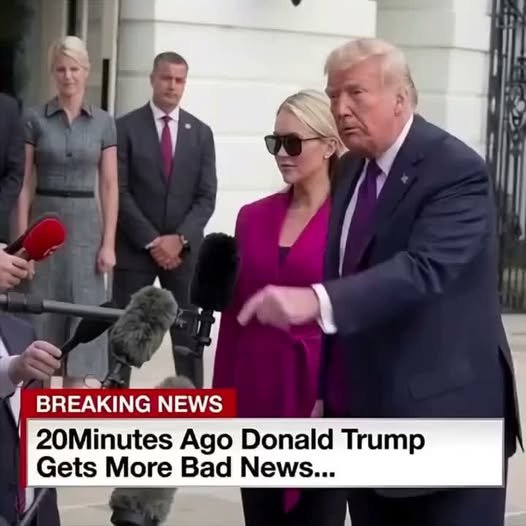
BREAKING NEWS :😯20 Minutes Ago Donald Trump Gets More Bad News…
President Donald Trump became the first former president in United States history to face federal criminal charges arising from alleged conduct following his departure from office. The indictment, brought by the U.S. Department of Justice, centers on actions prosecutors say were taken in the aftermath of the 2020 presidential election and the certification of its results.